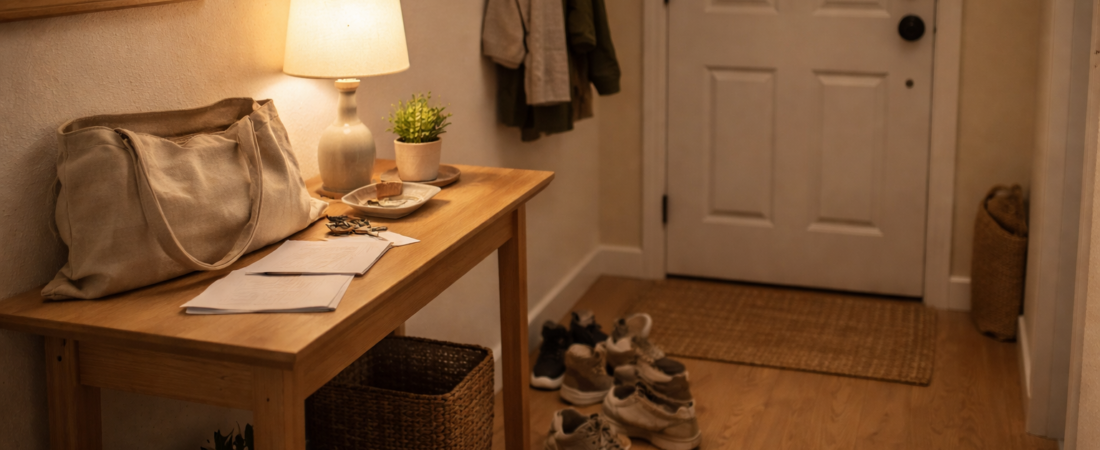
Home systems are designed to make daily life easier.
They reduce decisions, prevent repetition, and create predictability. When they are working well, they fade into the background.
Over time, however, even reliable systems can begin to strain. Recognising the signs early allows for small adjustments instead of large disruptions.
Tasks Feel Slightly Harder Than Before
One of the first signals is increased effort.
A task that once felt automatic may now require more thought or more steps. You may hesitate before starting. You may find yourself postponing something simple.
The task itself has not changed. The structure around it may no longer fit current conditions.
Items No Longer Return to Their Place
When systems are aligned, objects move predictably.
Keys return to one location. Laundry moves through its stages. Papers have a resting place.
If items begin to collect in temporary piles or migrate to new surfaces, it suggests the original placement no longer feels convenient.
This is not carelessness. It is feedback.
Repeated Corrections Are Needed
If you find yourself frequently reminding others how something should be done, the system may depend too heavily on memory.
Strong systems guide behaviour naturally.
When correction becomes common, simplification is often needed.
Storage Feels Tight or Overfilled
Many home systems rely on physical space.
When drawers are difficult to close or shelves become crowded, the system begins to resist normal use.
Crowded storage slows decision-making and increases friction.
Space constraints often signal that either volume has increased or categorisation needs refining.
Timing No Longer Fits the Day
Some systems are built around a particular schedule.
Cleaning routines, meal planning rhythms, and administrative tasks may have been created during a different phase of life.
If the timing feels rushed or consistently postponed, the rhythm may need adjustment.
Updating timing is often simpler than redesigning the entire process.
Emotional Resistance Appears
A reliable sign of strain is quiet resistance.
You may feel mild irritation about a routine responsibility. You may avoid beginning something that used to feel neutral.
Emotional signals often appear before visible disorder.
Resistance suggests the system is no longer supporting energy levels effectively.
Small Breakdowns Happen More Frequently
Missed steps, forgotten items, or incomplete tasks may become more common.
Individually, these moments seem minor.
Repeated over time, they indicate that the structure requires recalibration.
Consistency is maintained through small corrections, not major reinvention.
Systems Change as Homes Change
Homes are not static.
Schedules shift. Storage needs expand. Household members grow older or change roles. Energy levels vary across seasons.
A system that worked well last year may simply need refining now.
This does not mean the original approach was wrong. It means circumstances have evolved.
For a broader understanding of how systems naturally shift over time, see Home Life Over Time: How Systems Change as Life Changes.
Updating Without Overhauling
When signs appear, begin with small changes.
Reduce steps.
Remove unnecessary items.
Adjust timing.
Clarify placement.
Minor refinements often restore ease.
Home systems are living structures. They are meant to adapt quietly as life changes.
Recognising the signs early allows stability to return with minimal disruption.